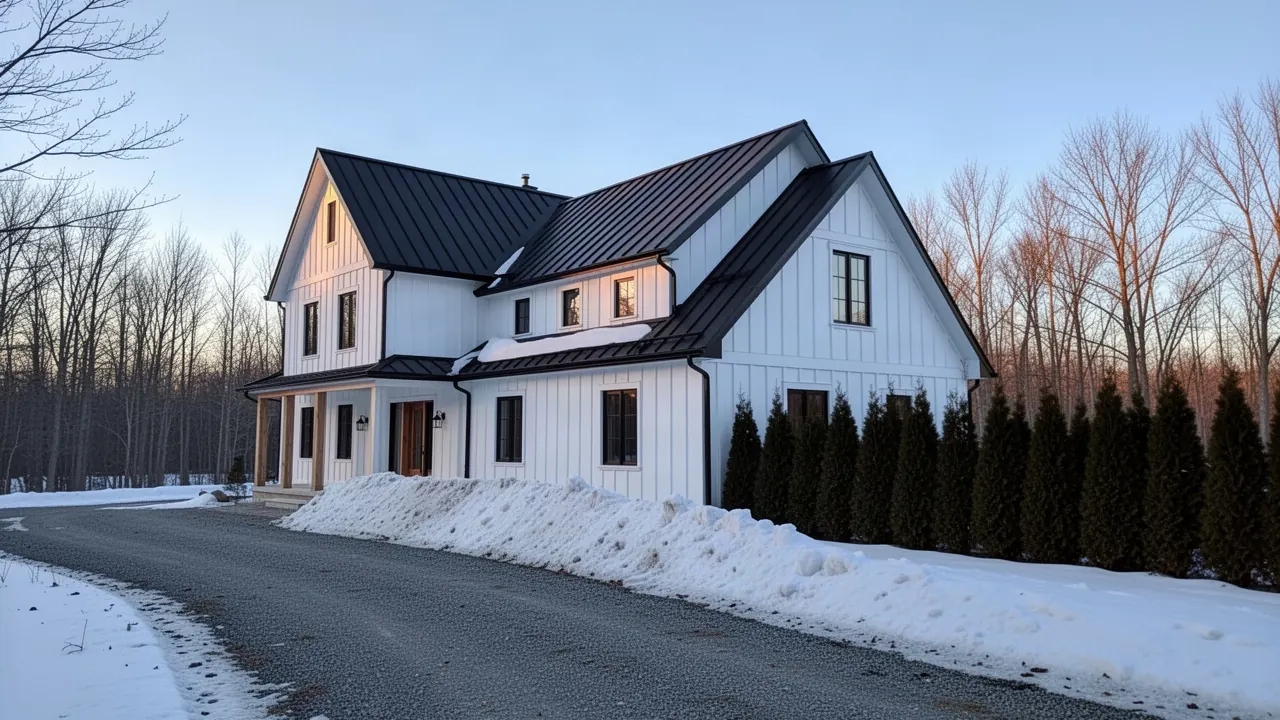
Metal roofs shed snow far better than shingles, which is their biggest advantage here and their biggest hazard if it isn't planned for. A smooth painted panel releases snow as soon as the sun or attic warms the underside of the pack.
We plan for sliding snow before a panel is ordered:
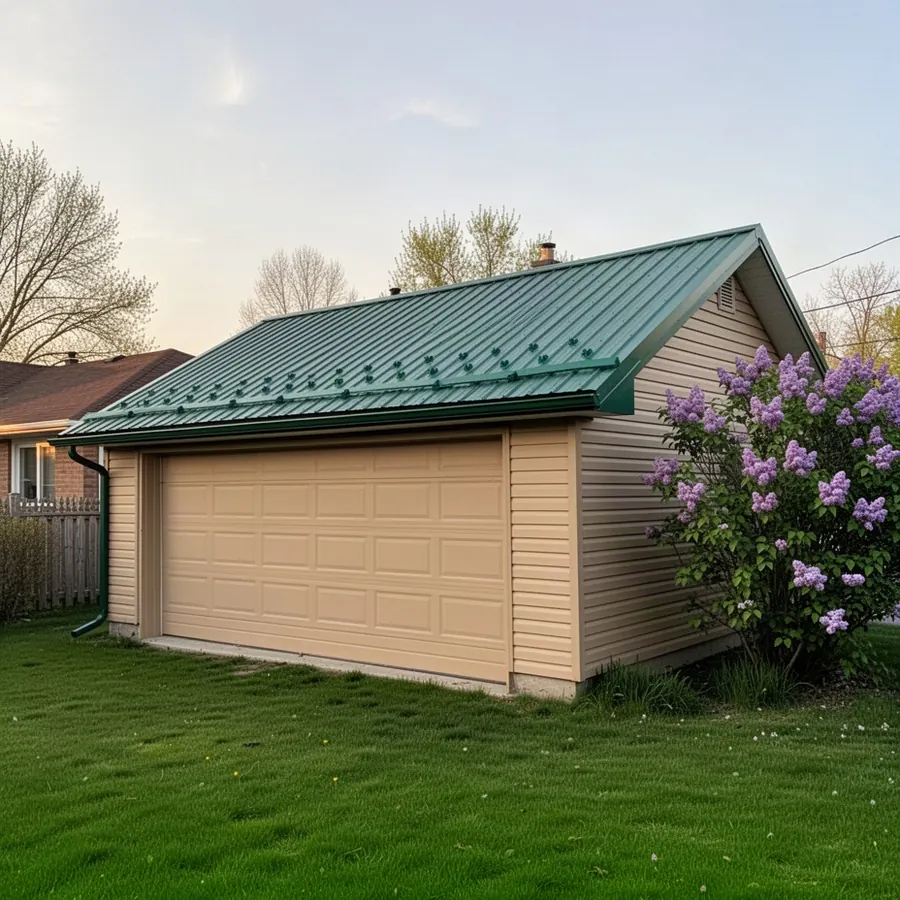
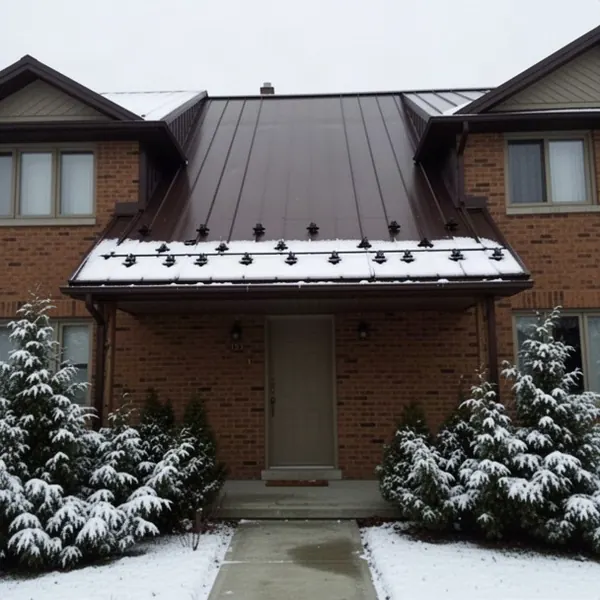
- Snow guards: clamp-on guards such as S-5! units on standing seam (no holes through the panel), or pad-style guards on ribbed panels, over doors, walkways, decks, driveways and gas meters.
- Vent stack protection: sliding snow can shear plumbing stacks, so we relocate them near the ridge where possible or add stack guards.
- Eavestroughs: a metal roof can tear eavestroughs off in one slide, so we use heavier hangers and guards or route water differently. Our eavestrough, soffit and fascia team handles that on the same job.
- Valleys and crickets: chimneys and dormers get crickets (small diverter roofs) so snow and meltwater don't pile up behind them.
Metal doesn't eliminate ice dams, because those form wherever attic heat melts snow that refreezes at a cold eave. We still install self-adhered ice and water membrane at the eaves, and our ice dam guide explains why insulation and ventilation are the real fix.
Don't count on shedding to reduce snow load, because snow guards, valleys and low slopes hold snow on any metal roof, whether you live in Kanata or the Glebe. If you are adding weight, opening up a ceiling or changing the roof shape, we confirm the framing can handle Ottawa's heavy, wet snow before work begins.