When Roof Snow Load Becomes a Concern
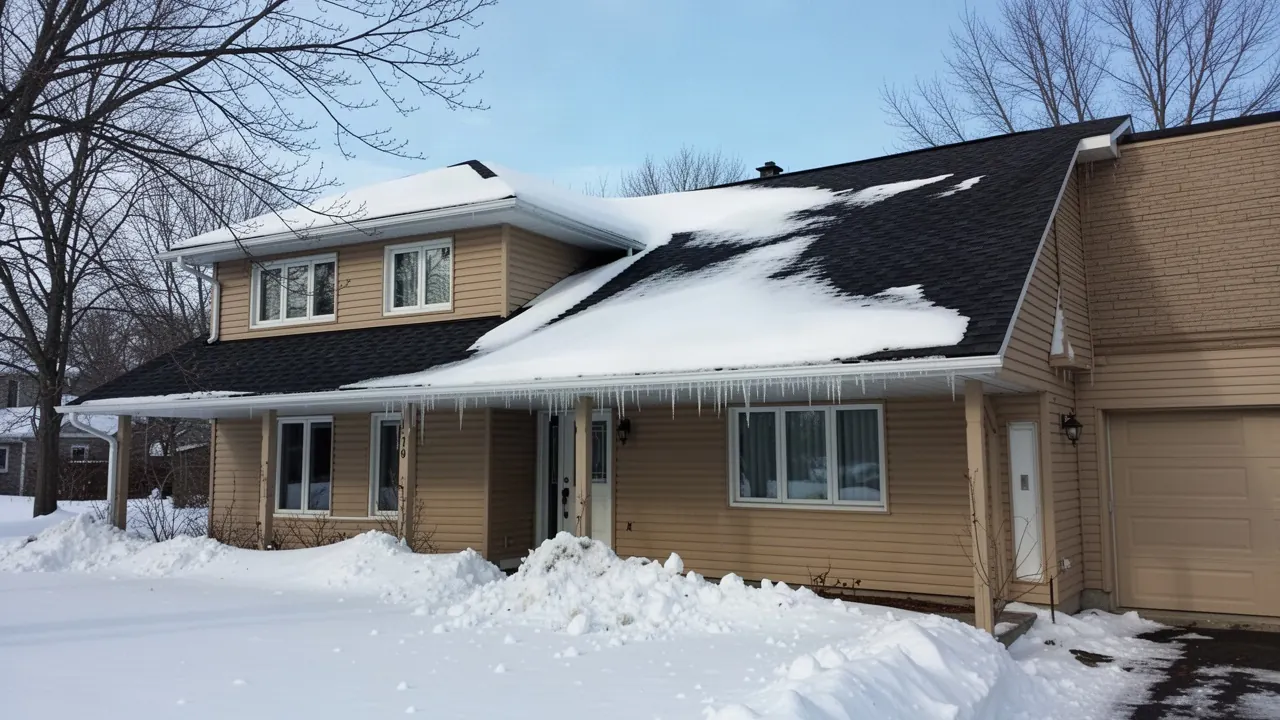
Roof snow load becomes a concern when snow is deep and dense, when rain soaks into an existing snowpack, or when the structure starts showing distress such as sagging, cracking or interior doors that suddenly stick. Most sloped Ottawa roofs handle a normal winter, but some roof types deserve a closer look after every major storm.
Ontario's alert on snow loading and roof failures notes that snow can weigh about 7 lb per cubic foot when fresh and dry, and about 30 lb per cubic foot when old and compacted. That means 2 feet of fresh powder adds roughly 14 lb per square foot, while the same depth of settled snow can add about 60 lb. Rain on top makes it heavier still.
The roofs we watch most closely:
- Flat and low-slope roofs, where snow does not slide off and drifts pile against parapets and walls. Our flat roofing team clears these by hand without cutting the membrane.
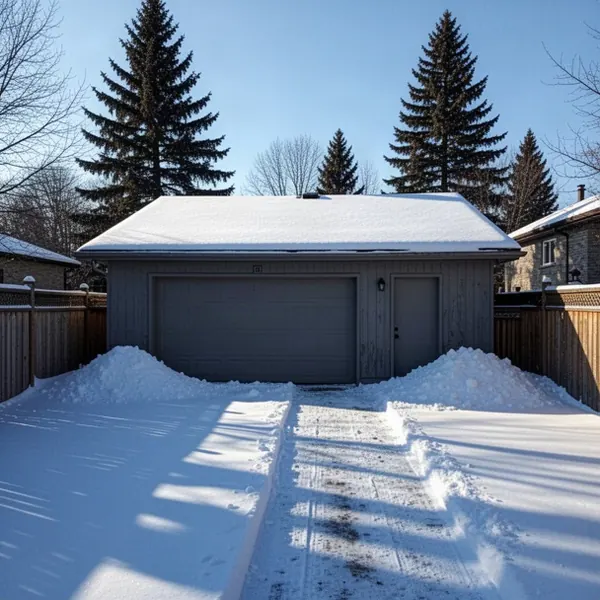
- Detached garages, carports and sheds, which are often framed more lightly than the house.
- Lower roofs below a taller roof, where snow slides down and drifts deep.
- Older additions, porches and sunrooms with undersized or aging framing.
The Ontario alert recommends an engineer's assessment where a roof shows distress, avoiding uneven loading during removal, and keeping people away from the drop zone. We work the same way: balanced passes, fall protection as Ontario law requires, and a stop to call for an engineer if we see cracking or deflection.