Open 24/7 for emergency roof repair Serving all of Ottawa
Ice-free eaves on Ottawa storey-and-a-half home after steaming

Winter Roof Guide

Ice Dams on Ottawa Roofs: Causes and Cures

An ice dam is a ridge of ice that forms along the edge of a roof when heat from the house melts snow higher up and the water refreezes at the cold eave. Water then pools behind the ice and works its way under the shingles, into soffits, walls and ceilings.

Ottawa Roofing Pros removes ice dams every winter and fixes the attics that cause them, with crews available 24/7. More than 17 years and 1,500+ roofing jobs in this city have taught us that the ice is only the symptom; the cause is almost always heat and air escaping into the attic.

This guide explains how ice dams form, why Ottawa houses are so prone to them, what you can safely do yourself, and how to stop them for good.

What an Ice Dam Is

An ice dam is a band of ice along the eaves that blocks meltwater from draining off the roof. It needs three things at once: snow on the roof, a roof deck above 0°C higher up, and an eave below 0°C at the edge.

The sequence is the same on almost every house we see:

  1. Warm air and heat leak from the living space into the attic.
  2. The attic warms the underside of the roof deck above freezing, even on a -15°C day.
  3. Snow touching that warm deck melts, and the water runs downhill under the insulating snow blanket.
  4. The water reaches the overhang, which sits outside the heated walls and stays below freezing, and refreezes.
  5. Each melt adds to the ridge of ice, and a pond of water forms behind it.
  6. The pond backs up under shingles, which are built to shed water, not to hold it, and leaks into the soffit, wall or ceiling.

A healthy roof looks like the photo above: snow sitting evenly from ridge to eave, with no bare patches and no icicles. When snow melts unevenly over the heated part of the house, the attic is telling you it is losing heat.
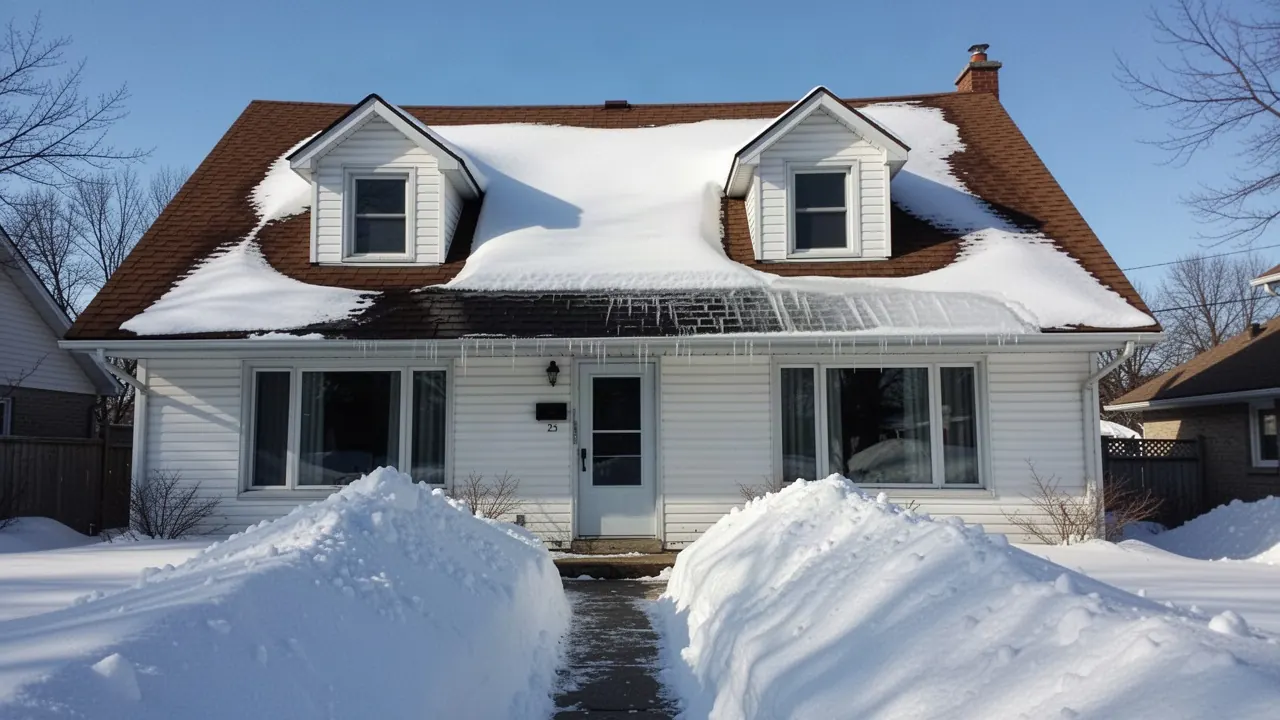
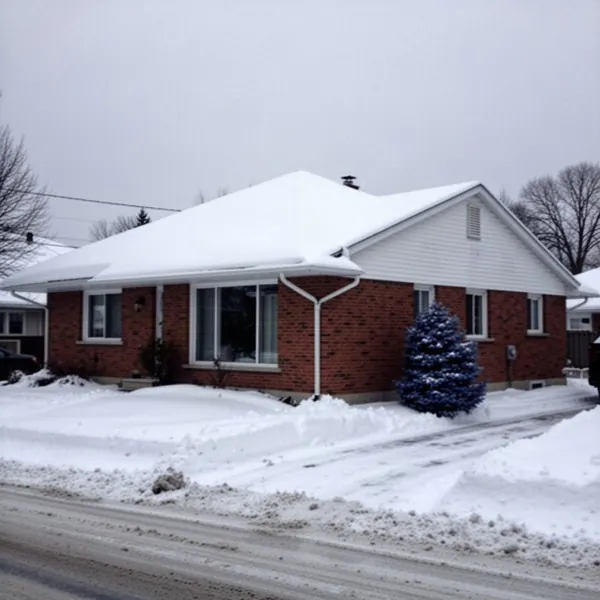
Even snow cover on re-insulated Ottawa bungalow roof
Snow sitting evenly on a bungalow roof after an attic insulation and air sealing upgrade

Why Ottawa Homes Are Prone to Ice Dams

Ottawa has the worst combination of conditions for ice dams: deep snow, long cold spells and frequent thaws. The city typically receives more than 2 metres of snow in a season, and the 2007-08 winter brought more than 4 metres at the airport.

Freeze-thaw cycling is just as important. The City has reported close to 80 freeze-thaw cycles in an average year, and every swing above and below 0°C melts and refreezes the edge of a roof again. A January thaw with rain on a deep snowpack is the classic setup for an ice dam leak the following week.

The housing stock adds to the problem. Post-war storey-and-a-half houses have sloped ceilings and knee walls with almost no room for insulation, and 1960s and 1970s bungalows often have shallow attics at the eaves where insulation blocks the soffit vents. Newer two-storeys with pot lights, cathedral ceilings and valleys over garages trap heat and snow in ways the original builder never tested.

Warning Signs

The clearest warning signs are thick icicles and a ridge of ice along the eaves, followed by stains or dampness on ceilings and walls near the outside of the house. The earliest sign is often in the attic, where frost and damp sheathing show heat and moisture leaking up long before a leak appears.

Check all three places after a heavy snowfall or a mid-winter thaw. Catching an ice dam at the icicle stage costs far less than repairing drywall and insulation later.

Outside the House

  • Icicles thicker than a broom handle, especially ones forming behind the eavestrough or at soffit vents.
  • A solid ridge of ice along the roof edge, often with water visible or ice building up behind it.
  • Eavestroughs packed with ice, pulling away from the fascia.
  • Bare or melted patches on the upper roof while the eaves stay snow-covered.

Inside the House

  • Brown or yellow stains on ceilings within a metre or so of exterior walls.
  • Peeling paint, bubbling drywall or damp spots at the top of exterior walls.
  • Water in window frames or on sills on upper floors, especially below the eaves.
  • Musty smells in upstairs closets that sit under the roof slope.

In the Attic

  • Frost on the tips of roofing nails or on the underside of the sheathing on cold mornings.
  • Dark staining or mould on the sheathing near the eaves.
  • Wet, flattened or discoloured insulation, often near the outside walls.
  • Dripping during a thaw as attic frost melts, sometimes called attic rain.

Safe Removal (and What Not to Do)

The safe way to deal with an ice dam is to stay off the roof: clear the lower snow from the ground, open a drainage channel slowly, and call a professional with steam equipment for thick ice or an active leak. Chipping, salting or pressure-washing the ice damages the roof and often causes the leak you were trying to prevent.

Ice dam steaming is billed hourly, and most Ottawa homes take 2 to 4 hours. Our ice dam and roof snow removal service uses low-pressure steam that cuts through ice without lifting shingles.

What You Can Safely Do

  • Use a roof rake from the ground to pull snow off the lowest 1 to 1.5 metres of roof after each storm, leaving a thin layer so you do not scrape off shingle granules.
  • Fill a nylon stocking with calcium chloride ice melt and lay it across the ice dam so it slowly melts a drainage channel.
  • Keep downspouts and the ground below them clear so meltwater can drain away.
  • Put buckets under any interior drip and move valuables away from the area.

What Not to Do

  • Do not climb onto an icy roof or lean a ladder against frozen eavestroughs.
  • Do not chip at the ice with hammers, hatchets or shovels; frozen shingles crack and flashing tears.
  • Do not use rock salt, which corrodes metal, kills plants and stains siding.
  • Do not use torches, heat guns or a pressure washer on the roof.
  • Keep metal roof rakes well away from overhead power lines.

When to Call for Steam

Call for professional removal when water is already coming inside, the ice is thicker than a few centimetres, or the dam runs along most of the eave. Steam is also the right choice on steep or high roofs where using a rake from the ground is not safe.

If water has already soaked a ceiling or wall, our emergency roof repair crews can make the roof watertight while the ice is removed.

Permanent Prevention

Ice dams stop for good when the roof deck stays cold, which means keeping house heat and moist air out of the attic. Air sealing comes first, then insulation, then ventilation, with an eave membrane under the shingles as the backup if ice ever forms.

Most homes need two or three of these fixes, not all of them. An attic inspection in fall shows which ones yours needs before the snow arrives.

Air Sealing First

Warm, moist air leaking through the ceiling causes more ice dams than missing insulation. Seal the gaps at pot lights, attic hatches, plumbing stacks, chimney chases, wiring holes and the top plates of interior walls. Make sure bathroom and kitchen fans vent outdoors, not into the attic.

Insulation Depth

Once the ceiling is sealed, top up attic insulation to R-50 or more, which takes roughly 35 to 50 cm of blown cellulose or fibreglass depending on the product. Many Ottawa attics we open from the 1960s to 1980s have far less than that, especially over the outside walls. Blown-in top-ups typically cost $1.50 to $3.50 per sq ft.

Balanced Ventilation

Ventilation flushes out any heat that still escapes, keeping the deck close to outdoor temperature. Ontario's Building Code calls for unobstructed vent area of at least 1/300 of the insulated ceiling area in most attics, split between soffit intake and ridge or roof exhaust. Baffles at each rafter bay keep insulation from blocking the soffit vents.

Eave Protection Under the Shingles

Ontario's 2024 Building Code, O. Reg. 163/24, requires a self-adhered eave protection membrane on shingle roofs in our climate. It must run at least 900 mm up the slope and at least 300 mm inside the inner face of the exterior wall. It does not stop ice dams, but it stops most of the water behind one from reaching the house, and it can only be added properly when the roof is replaced.

Fixes That Do Not Work

Adding more roof vents without enough soffit intake can pull warm air out of the house and make things worse. Heat cables keep a melt path open in one problem spot but treat the symptom, and they use electricity all winter. Switching to a steel roof helps snow slide off, but our metal roof vs shingles guide explains why it still needs a cold attic.

Our attic ventilation and insulation team handles air sealing, insulation top-ups and ventilation as one job. If your eavestroughs fill with ice every winter, our eavestrough and soffit service can also open up blocked soffit intake.

Ice Dams and Home Insurance

Many Ontario home insurance policies cover sudden, accidental water damage inside the house caused by an ice dam, but coverage varies and some basic policies exclude it. Insurers generally treat repeated or long-term leaks as a maintenance problem, and they rarely pay to fix a roof that failed from age or wear.

That makes speed and records important. Photograph the ice, the eaves and the interior damage, stop further water entry, keep every invoice, and call your insurer or broker promptly to ask what your policy includes.

A roof that collapses under the weight of snow and ice is often covered as well, but confirm the wording of your own policy. Our roof insurance claim help explains how we document damage for adjusters, and our other Ottawa roofing guides cover costs, materials and permits.

More Ottawa Roofing Guides

Plain-language answers to the questions Ottawa homeowners and property managers ask us most.

Free roofing estimate

Need Ice Dam Removal Now?

Call (343) 504-9753 any time, day or night, if water is coming in or ice is building fast. We dispatch steam crews 24/7 and can assess the attic once the emergency is over.

Call (343) 504-9753
Call (343) 504-9753 Free Quote