Open 24/7 for emergency roof repair Serving all of Ottawa
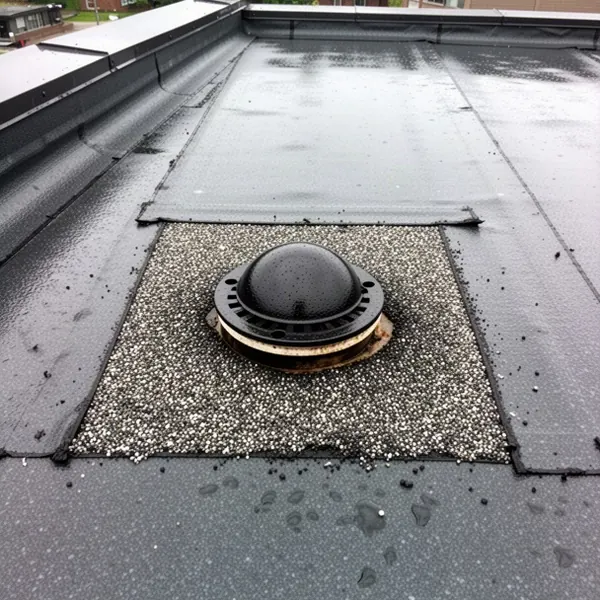
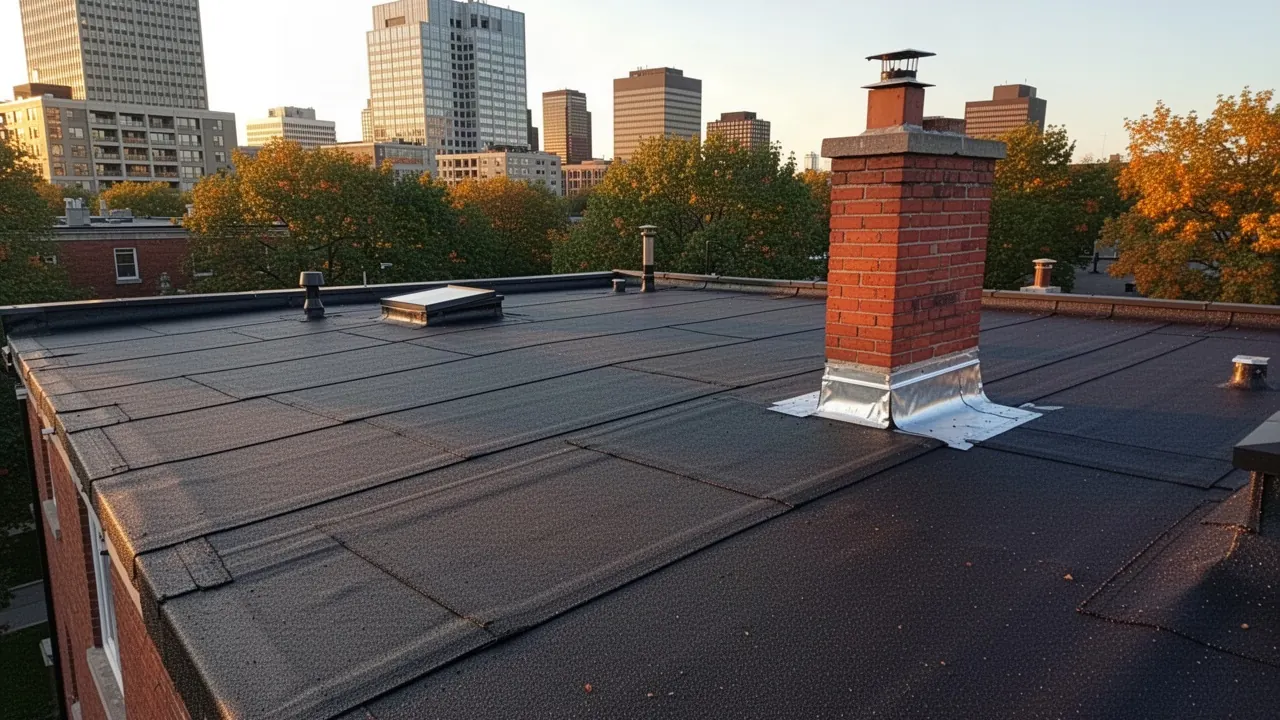
New SBS modified bitumen roof on Centretown apartment building

SBS and BUR Roofing

Modified Bitumen and Built-Up Roofing in Ottawa

Ottawa Roofing Pros installs and repairs two-ply SBS modified bitumen and built-up roofs on Ottawa plazas, apartment buildings, offices and older masonry buildings. We apply SBS by torch, by self-adhered sheet or with cold adhesive, and choose the method by building, occupancy and deck.

Multi-ply roofs reward experience, because the laps, flashings and fire precautions are where they succeed or fail. Our crews bring more than 17 years and over 1,500 roofing jobs to that work.

We are licensed, insured and WSIB-covered, and we answer leak calls on multi-ply roofs 24/7.

Our SBS and Built-Up Roofing Service

Multi-ply roofing builds a low-slope roof from two or more layers of asphalt-based membrane, so a cut in the top layer doesn't become a leak. We install new two-ply SBS modified bitumen roofs, repair and extend existing SBS and built-up roofs, and convert worn tar and gravel roofs to modern systems.

SBS modified bitumen is asphalt blended with styrene-butadiene-styrene rubber and reinforced with a polyester or glass mat. A two-ply system pairs a smooth base sheet with a granulated cap sheet, and the rubber modifier keeps both flexible through an Ottawa January. Built-up roofing (BUR) is the older approach: three or four plies of felt laid in hot asphalt, finished with a flood coat and gravel.

Multi-ply systems are the right call in a few situations:

  • High foot traffic: roofs with heavy mechanical servicing, rooftop units and regular trade visits.
  • Complex roofs: many curbs, pipes, chimneys and parapet changes, where SBS flashings are easy to detail.
  • Older masonry buildings: brick parapets and irregular decks that suit a heavy, forgiving membrane.
  • Matching existing roofs: additions and repairs tied into existing SBS or BUR.

Systems we work with include Soprema's Sopralene and Sopraply lines and IKO's Torchflex range, both made by Canadian manufacturers. We repair SBS roofs on plazas and offices through our roofing work in Orléans, on rental and condo buildings handled by our Gloucester roofing crews, and on 1970s and 1980s commercial strips covered by our Nepean roofers.

This page covers one family of systems within our full range of commercial roofing services.

Application Methods

SBS sheets can be bonded by torch, by factory adhesive or by cold-applied adhesive, and the method matters as much as the membrane. It decides fire risk, odour, the installation season and how the roof is detailed at edges.

Many of our roofs combine methods: a flameless base and detailing at the edges, with a torched cap sheet in the open field.

Torch-Applied SBS

A propane torch melts the bitumen on the back of the sheet so it fuses to the layer below. Torch-on gives strong, fully bonded laps and installs quickly in cool weather.

It is hot work, so it needs a hot-work permit, a fire watch and strict no-torch zones near edges and combustible materials. We explain those controls in detail further down this page.

Self-Adhered SBS

Self-adhered sheets have a factory adhesive layer under a release film, so they bond without any flame. We use them on occupied buildings, over wood decks, beside combustible cladding and near air intakes.

The adhesive needs a clean, primed surface and suitable temperatures. Some flameless products are rated for installation down to about -10°C, but most perform best in spring through fall.

Cold-Applied Systems

Cold-applied systems bond each ply with a liquid adhesive, such as Soprema's Colply, spread by squeegee instead of a torch or kettle. They avoid flame entirely and suit roofs where hot work is ruled out.

Solvent-based adhesives give off odour as they cure, so we coordinate with your mechanical contractor to close nearby fresh-air intakes. Cure time is longer than torch-on, which affects how fast traffic can return to the roof.

Built-Up Roofing (Tar and Gravel)

Many Ottawa commercial buildings from the 1960s through the 1980s still have gravel-surfaced built-up roofs. We repair them by scraping back the gravel, cutting out blisters and splits, patching with compatible plies and re-embedding the gravel.

When a BUR roof is worn out, we usually convert it to two-ply SBS or single-ply after tear-off. Older roofs may use coal-tar pitch, which isn't compatible with asphalt products, and pre-1990 felts and flashing cements can contain asbestos, so we test before disturbing them under Ontario's asbestos regulation, O. Reg. 278/05.

Multi-Ply vs Single-Ply: Which Fits Your Building?

Choose multi-ply SBS for heavy traffic, complex details and redundancy; choose single-ply for large open roofs, reflectivity and lower cost per sq ft on big areas. Both last 20 to 30 years in Ottawa when installed and maintained well.

Factor Two-ply SBS Single-ply (TPO, EPDM, PVC)
Layers Two bonded plies One sheet
Puncture and traffic Excellent Good, better with thicker sheets
Detailing at curbs and parapets Very forgiving Precise, prefabricated parts
Reflectivity Granules; reflective caps available White TPO and PVC are highly reflective
Weight Heavier Light
Hot work Torch-on needs fire controls None for welded or taped seams

A downtown walk-up with chimneys, a restaurant exhaust and a busy roof hatch leans toward SBS. A 30,000 sq ft warehouse with a handful of units usually suits single-ply, covered on our TPO, EPDM and PVC roofing page.

For the full comparison, read our guide to TPO vs EPDM vs modified bitumen.

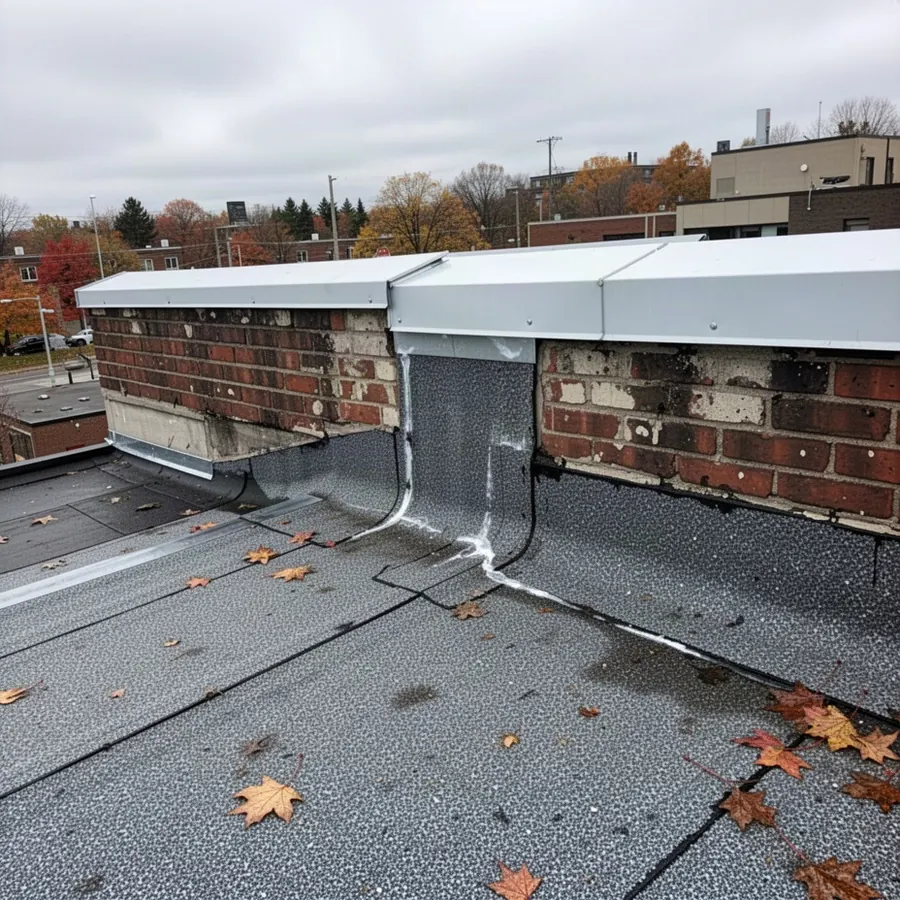
Torched SBS flashing on parapet of brick building
SBS cap sheet flashing turned up a brick parapet

Hot-Work Safety on Occupied Buildings

Torch-applied roofing is safe on occupied buildings when it is planned and controlled as hot work, not treated as routine. Fires from roofing torches usually start out of sight, smouldering inside a parapet, cant strip or ceiling space long after the crew has moved on.

Ontario learned this the hard way in Listowel in 2011, when a fire started by roofers' torch work led to a roof collapse that killed two volunteer firefighters. The Ontario Fire Code added roofing-specific requirements afterward. The Canadian Roofing Contractors Association's torch guideline also recommends flameless materials at least 915 mm (3 ft) into the field from perimeters, flashings and penetrations, and no torching on wood decks.

Here is how we run torch work on an occupied building:

  • Hot-work permit first: most owners and insurers run a hot-work permit system, and we have the permit signed before the first torch is lit.
  • Flameless edges and details: self-adhered or cold-applied sheets at parapets, walls, curbs and penetrations.
  • No torching on wood: wood decks and plank roofs get a flameless base or a mechanically fastened base sheet.
  • Extinguishers at every torch: charged and within reach, with the propane cylinders kept clear of the work.
  • Fire watch: a crew member stays on the roof for at least 60 minutes after the last torch is shut off, then sweeps the day's work with an infrared thermometer.
  • Building systems: we coordinate with your manager on air intakes and smoke detectors near the work area.

Insurers often ask for the contractor's liability certificate and the signed hot-work permit before work starts. We provide both on request.
Flameless SBS membrane detailing around rooftop drain
Self-adhered SBS detailing around a new roof drain

SBS Installation Process

A two-ply SBS roof goes on in six stages. Most 5,000 to 15,000 sq ft roofs take 1 to 3 weeks of workable weather, with longer timelines for tear-offs of gravel BUR.

We dry in every section at the end of each day.

  1. Survey and Asbestos Check

    Core cuts confirm the deck, existing layers and wet insulation. On older roofs, we sample felts and mastics for asbestos before any tear-off is scheduled.

  2. Tear-Off in Daily Sections

    Gravel is scraped or vacuumed, then the old roof is removed to the deck in sections we can close the same day. Damaged deck is replaced at a quoted unit price.

  3. Insulation and Tapered Drainage

    We install a vapour retarder, polyiso insulation and tapered crickets that send water to the drains. A cover board gives the base sheet a firm, compatible surface.

  4. Base Sheet

    The base sheet is torched, self-adhered or set in cold adhesive, with side laps of about 75 mm and staggered end laps. Flameless detailing goes in at all edges first.

  5. Cap Sheet and Flashings

    The granulated cap sheet is offset from the base laps so no seam sits over another. Parapets, curbs and drains get two-ply flashings finished with metal counter-flashing or coping.

  6. Inspection and Handover

    We check every lap for full bond and bleed-out and walk the roof with you. You receive photos, product data and warranty documents.

Costs and Expected Lifespan

Commercial two-ply SBS replacements in Ottawa generally price at or above the single-ply range of $10 to $18 per sq ft in 2026. Smaller roofs with many details sit toward the top, and a written quote after a free assessment sets the actual price.

System Typical Ottawa lifespan Cost notes
Two-ply SBS, torch-applied 20 to 30 years Fastest application; hot-work controls included
Two-ply SBS, self-adhered or cold-applied 20 to 30 years Higher material cost; no flame
Built-up roofing (BUR) 20 to 30 years with maintenance Repairs and extensions priced per job
SBS or BUR repair Extends service life $350 to $1,200 minor; $1,200 to $3,500+ larger

The main cost drivers are tear-off layers and gravel removal, asbestos abatement if found, insulation thickness, flashing complexity, flameless detailing on occupied buildings, and access for hoisting. When an older SBS or BUR roof is still dry and sound, a commercial roof coating and restoration can defer replacement for years at $4 to $9 per sq ft.

Our 1-year written labour warranty covers workmanship on every SBS and BUR installation. Manufacturer warranties are separate and depend on the system build-up, the manufacturer's inspection and registration; some cover materials only, while system warranties can run 10 to 20 years or more.

Modified Bitumen Roofing FAQs

Owners weighing torch-on, self-adhered and built-up options usually ask us the same handful of questions. Here are straight answers.

Is torch-on roofing safe on an occupied building?

Yes, when it runs under a hot-work permit with flameless detailing at the edges, extinguishers at each torch and a fire watch after work stops. Where any doubt remains, we switch to self-adhered or cold-applied SBS.

How long does a two-ply SBS roof last in Ottawa?

Most last 20 to 30 years. Granule loss, cracked flashings and clogged drains shorten that, which is why spring and fall inspections pay off.

Should we repair our tar and gravel roof or replace it?

Repair it if the leaks are local and core cuts show dry insulation. If blisters, splits and wet insulation are widespread, converting to SBS or single-ply costs less over the next 20 years than chasing leaks.

Our commercial roof repair service starts with that diagnosis.

Can SBS be installed in winter?

Torch-applied SBS can go on in cold weather if the surface is dry and free of frost and snow. Self-adhered and cold-applied products have temperature limits, so we check each product's data sheet before scheduling.

Do you replace old built-up roofs with SBS?

Yes, it is one of our most common commercial conversions. Full re-roofing scope, phasing and budgets are covered on our commercial flat roof replacement page.

Modified Bitumen & BUR Across Ottawa

Our crews dispatch from Centretown to every Ottawa community and anywhere within about 30 minutes of the city.

Free roofing estimate

Request an SBS Roofing Quote

Call (343) 504-9753 or send the form with your address and roof size. We book a free assessment, check the existing layers and send a written SBS scope and quote.

Call (343) 504-9753
Call (343) 504-9753 Free Quote